When resurfacing can make sense
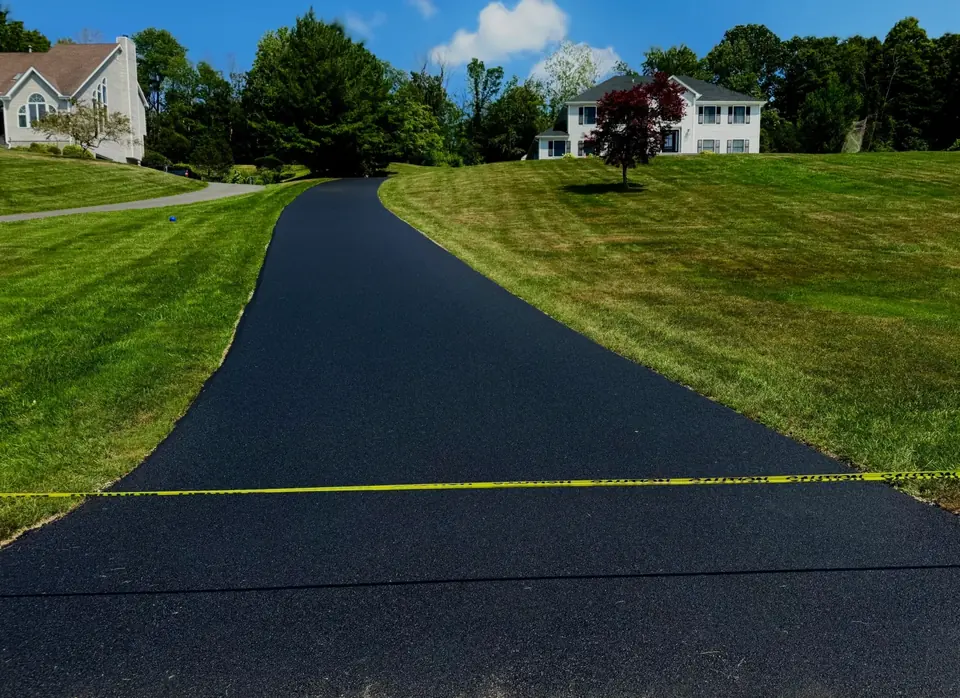
An asphalt overlay adds a new surface over pavement that can still support it. Before that happens, failed areas need repair. Holes, weak spots and badly cracked sections should be addressed rather than hidden under fresh asphalt.
Ask how the new surface will meet the garage, road, walkway and drains. Milling can remove existing asphalt to make room for an overlay and keep these transitions at the right height.
When replacement deserves a closer look
Widespread interconnected cracking, repeated sinking or extensive failed areas call for an inspection of the pavement and its support. If too much material needs repair, rebuilding may be the more practical choice. A photograph can start the conversation; it cannot establish the condition of the entire base.
If water pools or flows toward the garage, ask how the proposal changes the grades or drainage. A new black surface alone does not explain how the water problem will be solved.
Bring these questions to the estimate
Which areas are being removed and rebuilt? What is staying? Will any edges be milled? What finished heights and compacted asphalt thickness are included? How will drainage change? Ask for those answers in the written scope so you can compare the options.
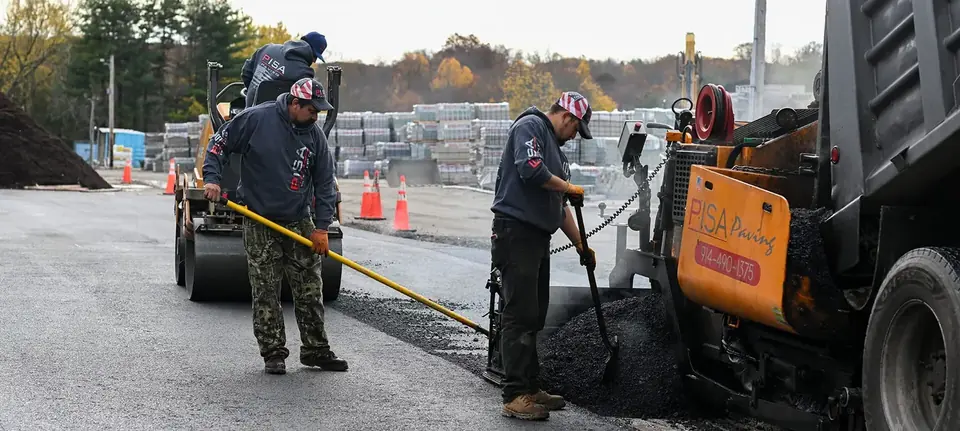
Pisa Paving offers a free site estimate. Request a visit for your property, then compare the proposed resurfacing or replacement work before choosing.
Quick answers
Can an overlay cover every crack?
Preparation depends on the condition and cause of the distress. Failed areas and severe pattern cracking need repair or replacement before an overlay is considered.
Is resurfacing always cheaper?
It may avoid some demolition and base work, but repairs, milling and drainage can change the scope. Compare written proposals for your actual driveway rather than assuming a fixed saving.
Further reading
General guidance from paving and consumer resources. Your property still needs an individual assessment.